Импортёрлер, зауыттар мен ванна бөлмесінің өнімдерін таратушылар үшін дұрыс өнім санатын таңдау сияқты маңызды, қандай тұтынушыны таңдау да сондай маңызды.
LED-тік ванна бөлмесінің айналары тек заманауи көрінісіне ғана емес, сонымен қатар коммерциялық сатып алушылар мен соңғы пайдаланушылар үшін қосымша құн құруына байланысты назар аударылуда.
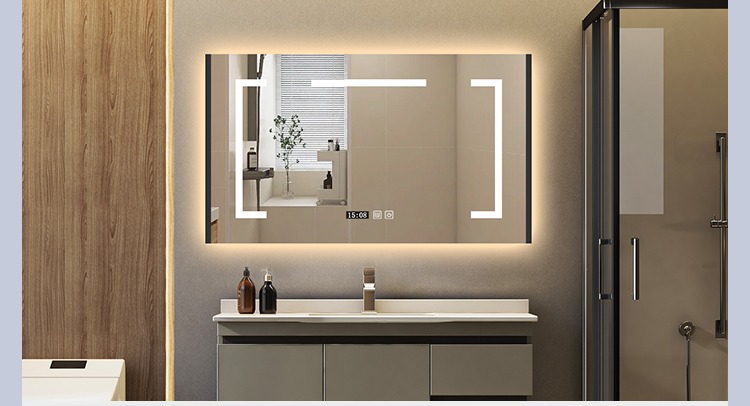
Дәстүрлі айналардан айырмашылығы, LED-тік ванна бөлмесінің айналары жарықтандыруды, қызметті және эстетиканы бір өнімде ұштастырады. Бұл нарықта күштірек орын алуға мүмкіндік береді және көбінесе дүкендерге, опттау сатушыларға және жобалық тұтынушыларға пайданы арттыруға және өсетін тұтынушы күтімдерін қанағаттандыруға мүмкіндік береді.
Қонақ үйлерде, тұрғын үйлердің дамуында және премиум деңгейдегі жаңарту жобаларында LED-тік айналар қазір қосымша декоративті қосалқы ретінде емес, бүтіндей ванна бөлмесінің тәжірибесінің бір бөлігі ретінде қабылдануда.
Бірінші рет сатып алушылар арасында кездесетін кең тараған қате — тек сыртқы көрініске немесе бағаға ғана назар аудару.
Тәжірибелі сатып алу топтары әдетте LED ванна бөлмесінің айналарын орындалу тұрақтылығы, орнатуға ыңғайлылығы, жөндеу шығындары және ұзақ мерзімді тұрақтылығы бойынша бағалайды.
Коммерциялық жобаларда тұрақтылық маңызды.
Егер айнаның жарықтығы, түс температурасы немесе қосқышқа реакция жылдамдығы бір өндірістік партиядан екіншісіне өткен кезде өзгерсе, онда орнату сапасы тұрақсыз болады және тұтынушылардан шағымдар көбейеді.
Сондықтан тұрақты өндіріс қабілеті жиі ғана ең арзан сауалнаманы алуға қарағанда маңыздырақ болып табылады.
Қонақ үйлерде, пәтерлерде және құрылыс жобаларында орнату тиімділігі тікелей еңбек шығындарына әсер етеді.
Жақсы жобаланған LED ванна бөлмесінің айналары практикалық орнату жүйелерін, анық сымдардың орналасуын және тұрақты электрлік компоненттерді қолдайтын болуы керек.
Жөндеу талаптары да маңызды. Сатып алушылар әдетте ауыстыру жиілігін азайтатын және кейінгі сатыдан кейінгі қызмет көрсету шығындарын азайтатын өнімдерді қалайды.
Ванна бөлмелері табиғи түрде ылғалды орта болып табылады.
Коммерциялық сатып алушылар көбінесе ұзақ мерзімді пайдалануға кепілдік беретін коррозияға төзімді айнаны, ылғалға төзімді құрылымды, тұрақты LED жүйелерін және сенімді бұрқасынды тазарту қабілетін басымдық ретінде қарастырады.
Басқа ортада емес, тек қана ванна бөлмесінің ортасына арналып жасалған өнімдер шынайы әлемдегі жобаларда жақсы нәтиже көрсетеді.
Әрбір ақылды функция бизнеске нақты құн қоспайды.
Көптеген коммерциялық жобаларда сатып алушылар жаңалыққа қарағанда қолданыс қабілетін жақсартатын сипаттамаларға басымдық береді.
Танымал нұсқаларға мыналар жатады:
Әртүрлі пайдаланушылардың қажеттіліктеріне сай реттелетін LED жарықтандыру
Тұрғын үйлер мен қонақ үйлерге арналған реттелетін жарық температурасы
Қолдануды жеңілдету үшін ішкі бұрқасынды тазарту технологиясы
Оңай басқару үшін түйсігіш дегендер
Тұрақты даму мақсаттарын қолдау үшін энергияны тиімді пайдаланатын LED жүйелері
Тағайындалған нарықтың сұранысына негізделген функционалды жаңартуларды таңдау көбінесе артық күрделілікті қосуға қарағанда ROI-ді жақсартады.
Әртүрлі жобалар әртүрлі техникалық сипаттамаларды талап етеді.
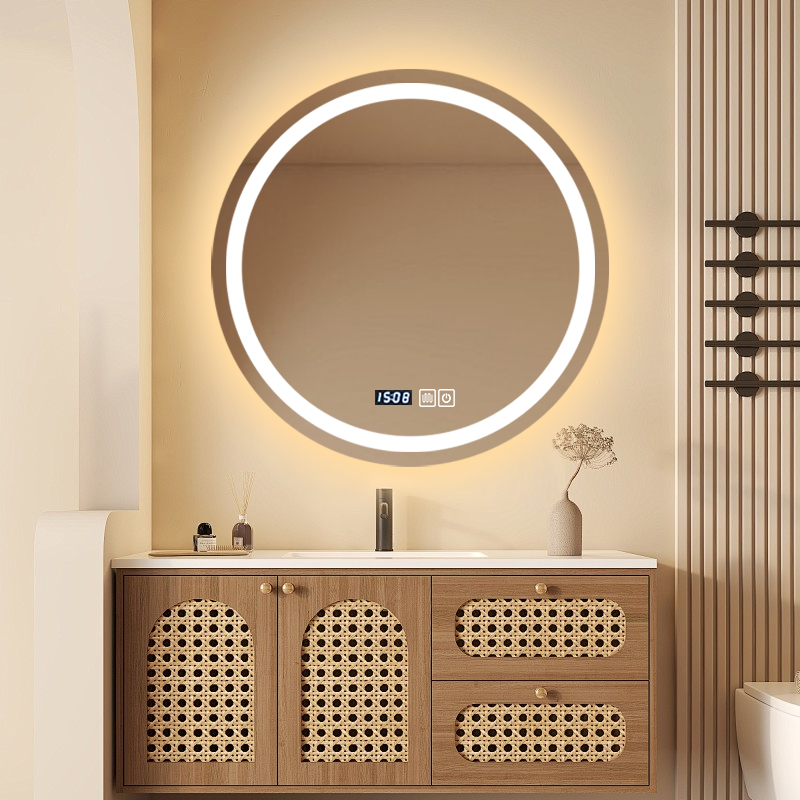
Қонақ ыңғайлығы үшін қонақ үйлердің дамытушылары жылы жарық беретін бұдан әрі бұланған айнаны талап етуі мүмкін, ал таратушылар тез өткізілетін қорлар үшін стандартты өлшемдерге назар аударады.
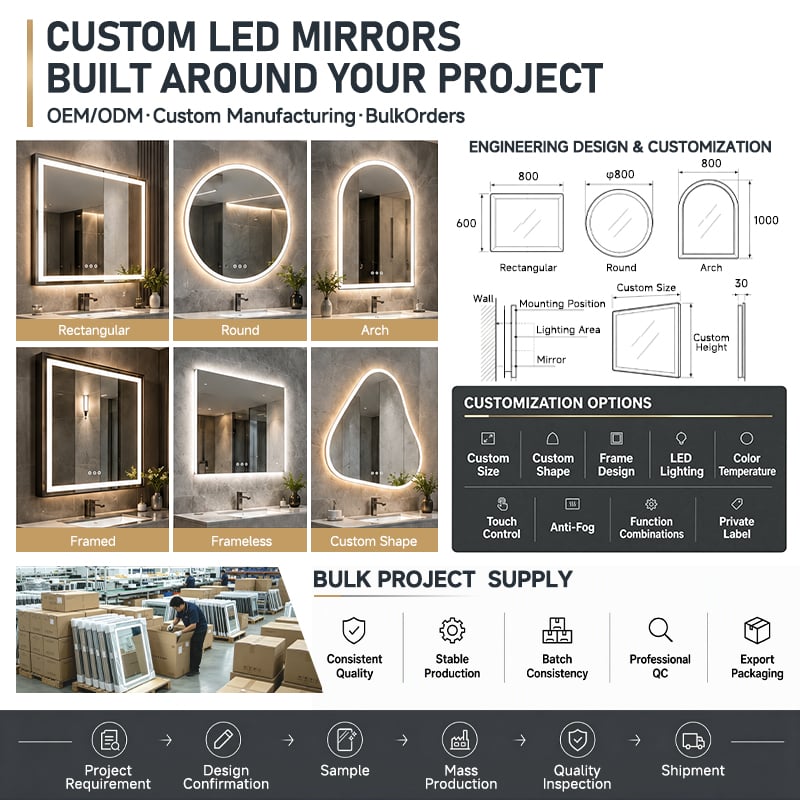
Сондықтан көптеген B2B сатып алушылар қазір OEM және ODM қызметтерін ұсынатын тәрбиешілерді қалайды.
Тәжірибелік тапсырыс бойынша жасауға кіретіндер:
Айнаның өлшемі мен пішіні
Логотип пен қаптау тәсілдерін тапсырыс бойынша жасау
Жарықтың түсін реттеу
Зерттеулерге және интеллектуалдық функціяларға қосылатын
Қаныққан немесе қанықпаған (рамкасыз) дизайн опциялары
Икемді тәсілмен толықтыру мүмкіндігі бар тағайындаушы сатып алушыларға нарықтағы сұраныс өзгерістеріне тезірек реакция жасауға көмектеседі. 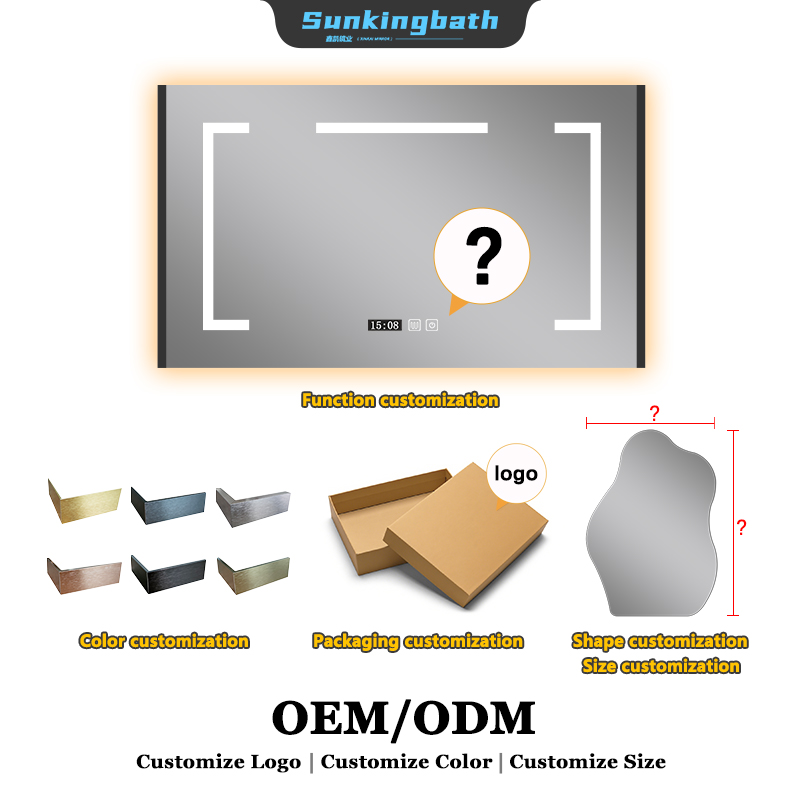
LED-тік балкондық айнаны халықаралық деңгейде сатып алған кезде ең арзан баға әрқашан да ең төмен жалпы шығынды білдірмейді.
Жеткізу қорғауы, өнімнің ақаулық деңгейі, әртүрлі жеткізу мерзімдері және әлсіз кейінгі қызмет көрсету жалпы шығындарды қатты арттыруы мүмкін.
Тәжірибелі сатып алушылар жиі тұтыну бағасына ғана емес, жалпы тағайындау сенімділігіне негізделген тағайындаушыларды салыстырады.
Тұрақты сапа бақылауы мен экспорт тәжірибесі уақыт өте келе тағайындау қаупін азайта алады.
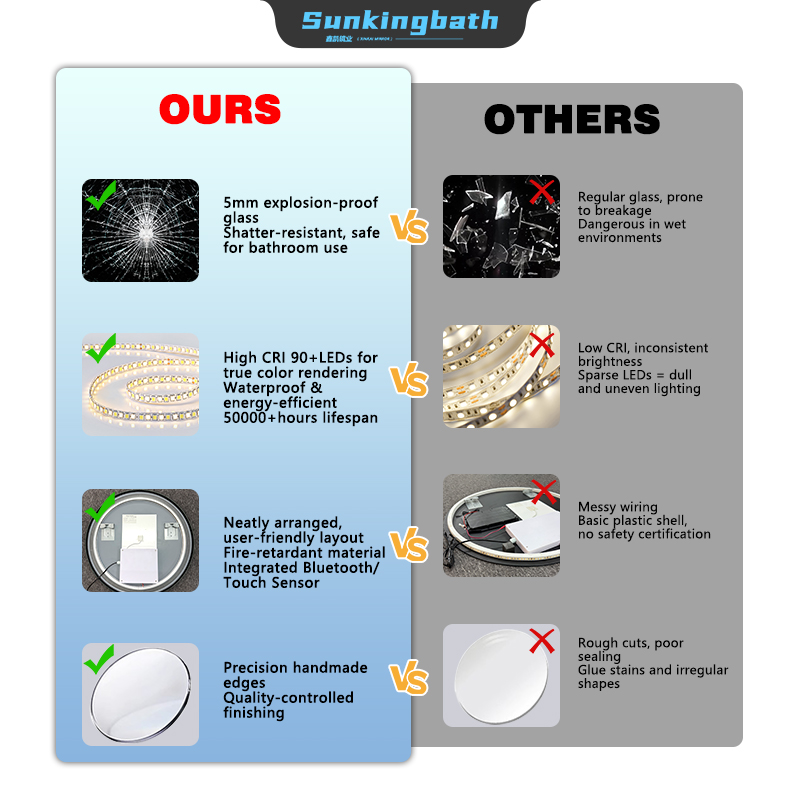
LED-тік балкондық айналар дистрибьюторлар, жұмысшылар, қонақ үйлердің тағайындаушылары мен ванна бөлмелерінің брендтері үшін өз өнімдерін жаңартуға бағытталған мүмкіндіктерді әрі қарай құрады.
Негізгі мақсат — тек жарық беретін айнаны сатып алу емес, сіздің ұзақ мерзімді бизнес мақсаттарыңызға сәйкес келетін өнім мен тағайындаушыны таңдау.
Коммерциялық сатып алушылар үшін сенімді сапа, тұрақты өндіріс және қосымша өзгерту мүмкіндігі жиі-жіі сәтті серіктестікті қымбатқа түсетін жеткізуші қатесінен айырып тұрады.


 EN
EN